An anemometer is more than just a meteorological tool — it exists in every corner of daily life.
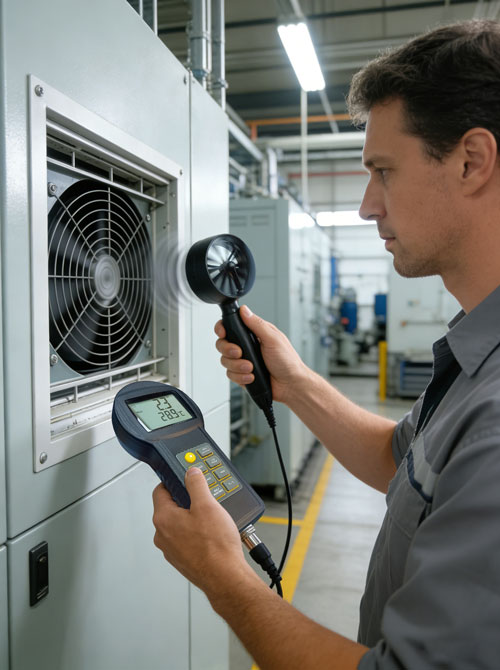
When it comes to anemometers, many people immediately think of professional equipment used in weather stations. However, they have long been integrated into every aspect of daily life, from home comfort to outdoor travel, from safety protection to production and labor, quietly safeguarding our convenience and security. Below are highly practical anemometer applications closely related to daily life. After reading, you will find that they are far more commonly used than we imagine.
I. Home Life: Safeguarding Comfort and Health Anemometers have already entered ordinary households as "little helpers" to improve the home experience, especially for people who value quality of life.
• Supporting home weather stations: Many families now install small home weather stations, with the anemometer as their core component. It monitors indoor and outdoor wind speed and direction in real time, accurately judging weather changes — for example, alerting that "strong winds today; windows should not be opened" or "suitable wind speed for drying clothes". It also helps evaluate indoor ventilation, assisting in quickly removing formaldehyde and odors after decoration, and protecting family respiratory health.
II. Outdoor Travel: Avoiding Risks and Improving Experience Whether for daily commuting or outdoor recreation, anemometers serve as indispensable "safety partners", helping us avoid dangers and choose the right timing.
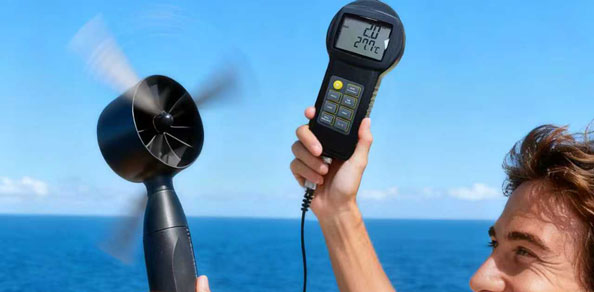
• Essential for outdoor enthusiasts: Cyclists, runners, hikers, campers and other enthusiasts often carry portable anemometers. When cycling, they can choose routes based on wind speed (avoiding headwind sections) to save energy. Before camping, wind speed monitoring helps determine whether tent setup is suitable, preventing tents from being blown over by strong winds. When running, wind speed data guides the selection of comfortable exercise periods, reducing the impact of strong winds on breathing. III. Safety Protection: Building a Strong Life Safety Line In many safety scenarios, anemometers act as "invisible guardians". By monitoring wind speed in real time, they provide early risk warnings and prevent safety accidents.
• Construction safety: Tower cranes, aerial work platforms and other equipment on construction sites must be equipped with anemometers. When wind speed exceeds safety standards (usually above Beaufort scale 6), the equipment automatically alarms and stops operation, preventing falling objects and equipment overturning, and ensuring the personal safety of construction workers.
IV. Agriculture and Livestock Farming: Boosting High Yields and Income In agriculture and livestock farming, the application of anemometers effectively improves production efficiency, reduces losses from natural disasters, and supports higher yields and profits.
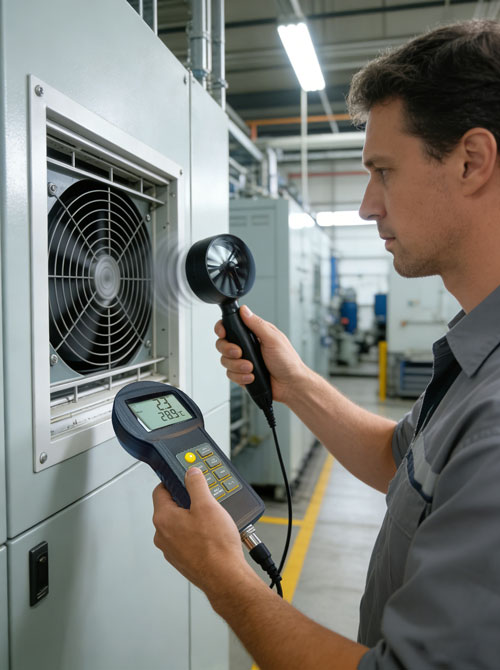
• Ventilation in livestock and poultry farming: For large-scale farms (chicken farms, pig farms, cattle farms), anemometers monitor wind speed inside breeding sheds and work with ventilation systems to control air circulation speed. This avoids stuffy conditions and ammonia buildup caused by insufficient wind speed, which harm livestock health, and also prevents excessive wind that causes cold stress, reducing disease risks and ensuring farming benefits.
V. Scientific Research and Education: Popularizing Scientific Knowledge Anemometers are also common tools in scientific research and education, especially for youth science popularization and basic scientific experiments.
• School science experiments: In primary and secondary school physics classes, anemometers are often used in fluid mechanics experiments. They allow students to directly measure wind speed, observe the relationship between wind speed and direction, understand basic principles of fluid motion, and inspire interest in scientific exploration. Some school weather stations are also equipped with anemometers, enabling students to conduct long-term meteorological monitoring on campus and develop observation skills.
• Daily science popularization: In science museums and community outreach activities, anemometers serve as interactive tools, allowing the public to intuitively experience "differences in wind speeds" (such as the actual feeling of breeze, strong wind and gusts). They help popularize meteorological and fluid mechanics knowledge and improve public scientific literacy.
In summary, anemometers have long moved beyond the limitations of "professional equipment" to become "practical tools" integrated into daily life. Their value is reflected in every scenario, from home comfort to outdoor safety, from agricultural production to science education. Choosing the right anemometer makes our lives more convenient, safer and more efficient.
More




 2025-10-20